
SpireCut® for Trigger Finger: Minimally Invasive Surgery Without a Skin Incision
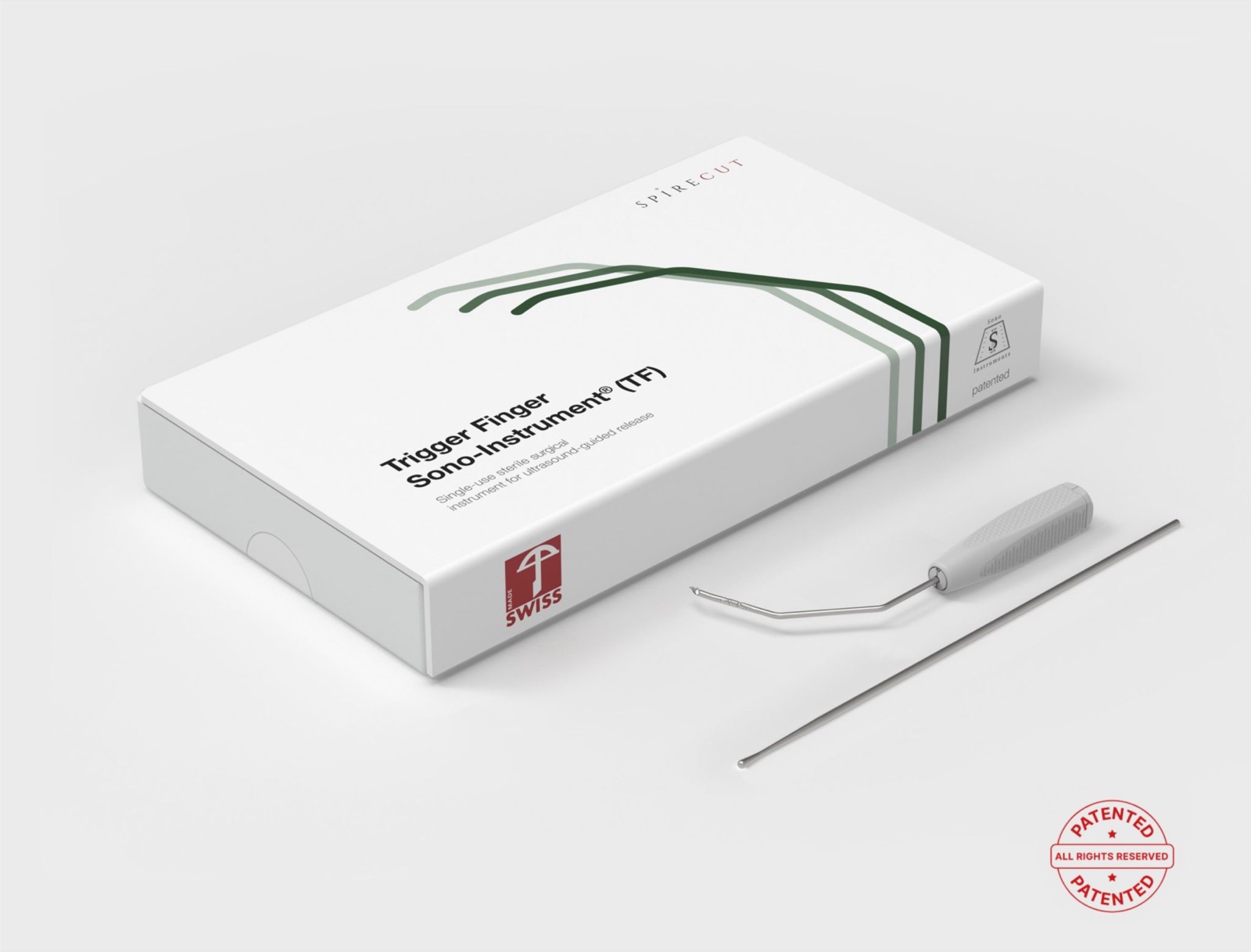
When a trigger finger keeps snapping or locking despite splinting or a cortisone injection, the usual next step is surgery: release of the A1 pulley. With SpireCut®, a the release is performed ultrasound-guided and without a skin incision. This article explains how the procedure works, who it is suitable for, and how it differs from conventional open surgery.
At a glance
- Pulley release through a puncture instead of an incision – no classic scar
- Division of the A1 pulley under real-time ultrasound control
- Local anaesthesia, no tourniquet – in the procedure room, no operating theatre
- Fast return to everyday life and work
- For Dr. Bézard, SpireCut® is the first choice for trigger finger – in Vienna & Tulln (Lower Austria)
Why operate at all? The problem at the A1 pulley
In trigger finger (medically: stenosing tenosynovitis) the flexor tendon no longer glides freely through the A1 pulley in the palm. The tendon is thickened, catches at the pulley and then suddenly “snaps” through – often painfully. In advanced stages the finger can remain locked in a bent position. The goal of every operation – whatever the technique – is to divide this pulley so the tendon can glide freely again.
How does the SpireCut® method work?
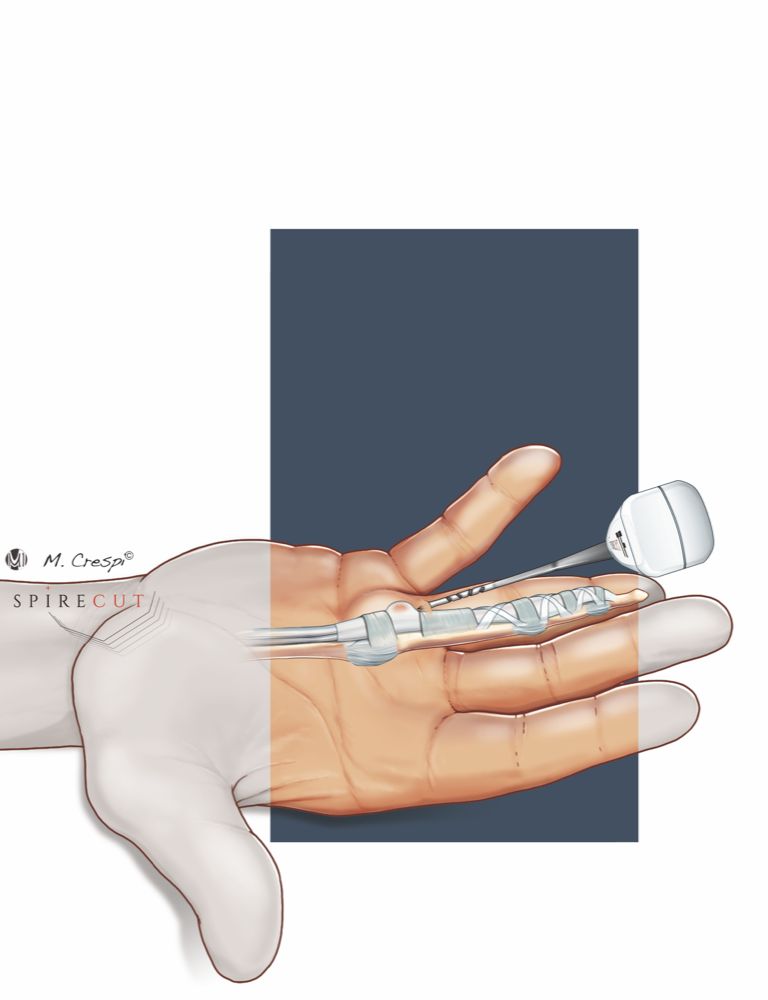
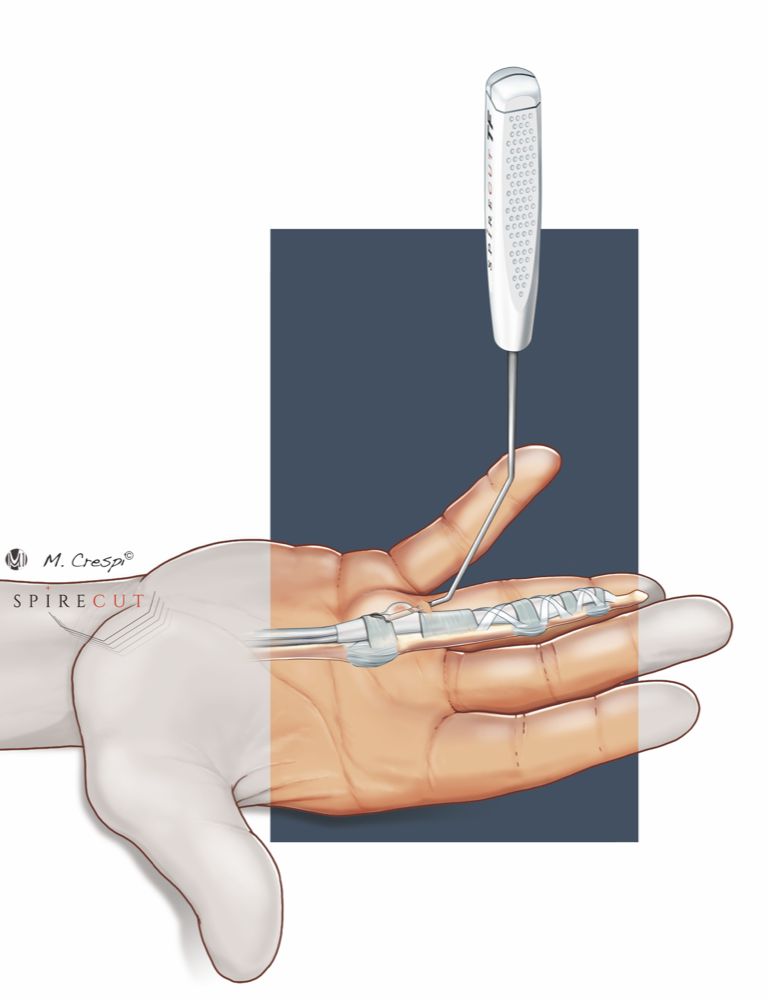
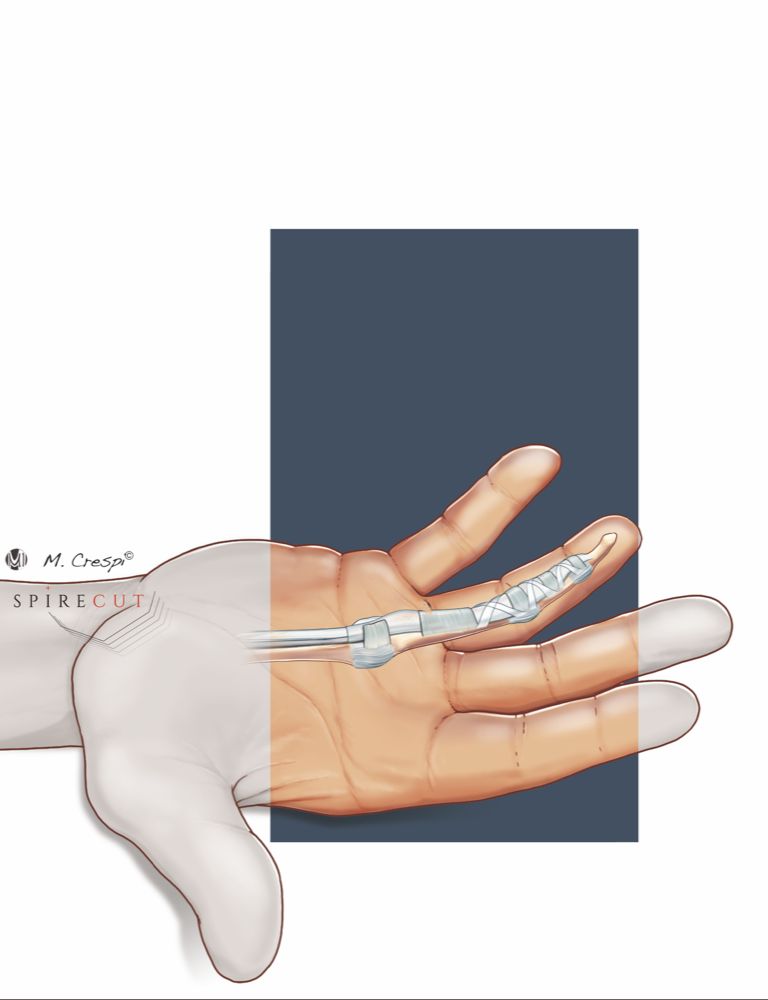
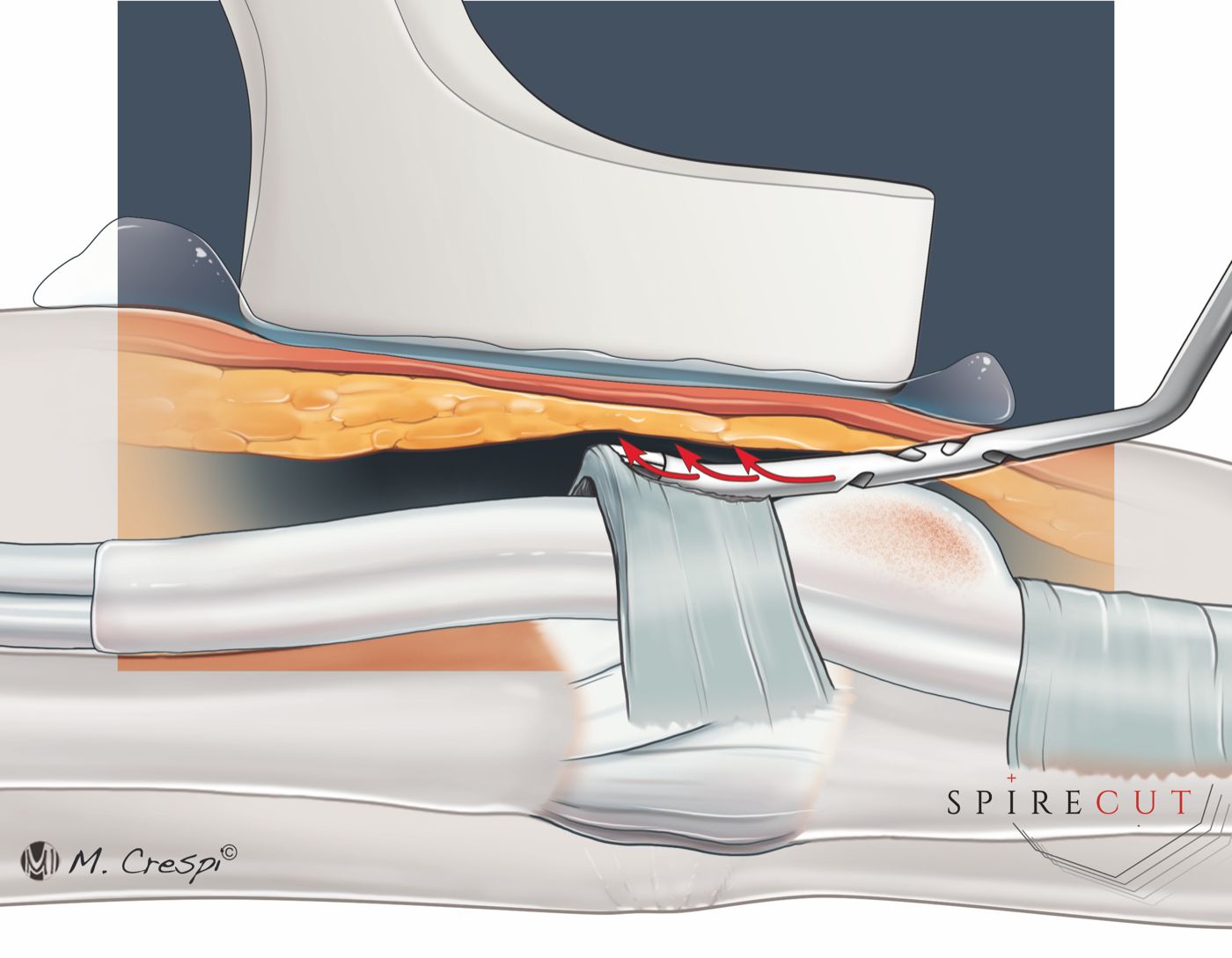
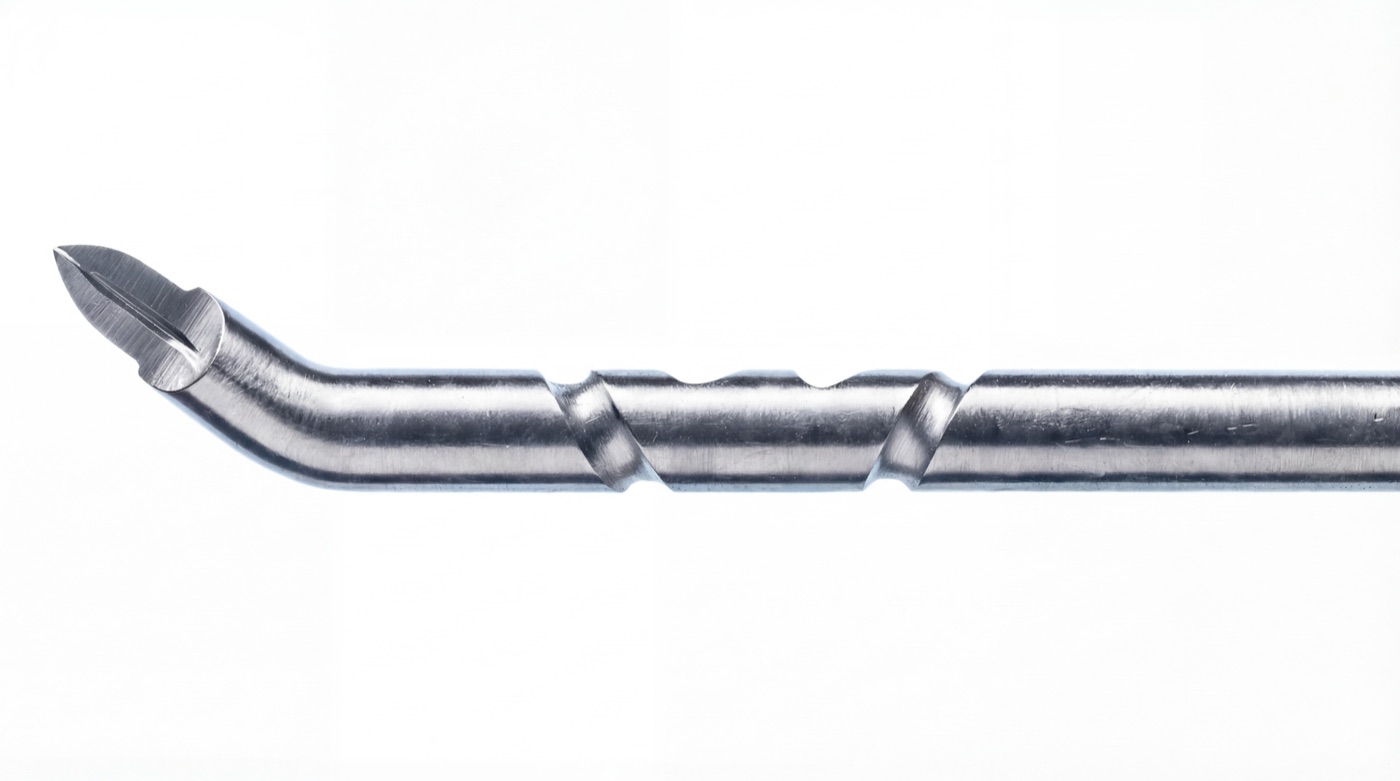
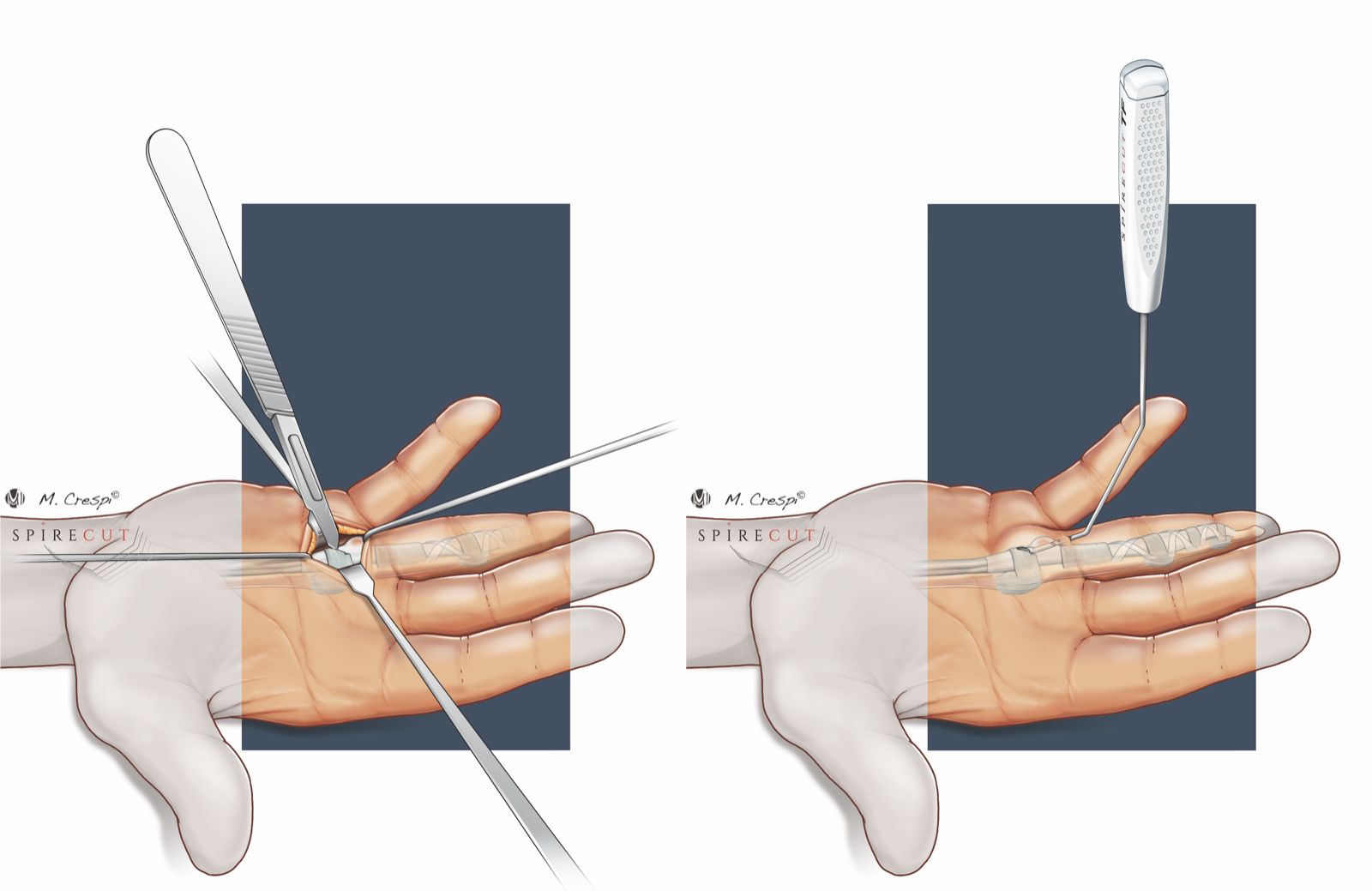
SpireCut® was developed by a Swiss medical technology company. At its core are the Sono-Instruments®: slender micro-instruments of only about 1.5 millimetres that are introduced into the hand through the puncture of a standard IV cannula. No skin incision and no tissue dissection are required, and no tourniquet cuff on the upper arm is needed.
The procedure in three steps:
SpireCut® and open surgery compared
| Open pulley release | SpireCut® (ultrasound-guided) | |
|---|---|---|
| Access | Skin incision (1–2 cm) in the palm | Puncture (cannula size) |
| Stitches | Yes, removed after 10–14 days | None – just a plaster |
| Visual control | Direct view of the pulley | Real-time ultrasound of all structures |
| Scar | Incision scar in the gripping surface | Small puncture site |
| Anaesthesia | Local | Local, no tourniquet |
For you this means: no wound, no stitches, no suture removal and no scar in the gripping surface of the hand. The procedure takes place directly in the procedure room – without an operating theatre and without long waiting times. Because tendon, nerves and vessels stay visible on ultrasound throughout, only the pulley is divided.
My medical assessment
SpireCut® reaches the same goal as open surgery – complete release of the A1 pulley – but without an incision, without stitches and without a tourniquet. That is why SpireCut® is my first choice. Open surgery is a good procedure and comes second – for example when the ultrasound findings are not clear enough for a puncture. Which procedure suits your hand is decided by the examination with ultrasound.
Aftercare: what happens after the procedure?
- Day of the procedure: plaster dressing over the puncture site; early movement of the hand is encouraged.
- First days: light everyday activities are usually possible quickly; heavy lifting and forceful gripping should pause briefly.
- No suture removal needed – there are no stitches.
- Follow-up: a clinical check confirms that the finger glides freely and full movement returns.
Frequently asked questions
What is SpireCut for trigger finger?
SpireCut® is an ultrasound-guided percutaneous surgical method: the narrowed A1 pulley is divided through a tiny puncture – without a classic skin incision – under real-time ultrasound control. The procedure is performed under local anaesthesia, without stitches and without a tourniquet.
How long does the SpireCut procedure take?
The procedure itself usually takes only a few minutes. Including preparation, local anaesthesia and ultrasound control, plan for an appointment of about 30 minutes.
Will there be a scar after the SpireCut treatment?
Since access is gained only through a cannula-sized puncture, no classic surgical scar remains. The small puncture site usually heals within a few days.
When can I use my hand again after the procedure?
Light everyday activities are usually possible on the same or the next day. In the prospective study on the Sono-Instruments, all patients were fully active in daily life and at work after two months – most considerably earlier.
Is the SpireCut procedure offered in Vienna and Tulln?
Yes. The ultrasound-guided SpireCut procedure is the primary surgical method of Dr. Georg C. Bézard for trigger finger – offered in Vienna-Döbling and in Tulln for patients from all of Lower Austria.
Sources
- Prospective evaluation of a novel device for ultrasound-guided percutaneous treatment of carpal tunnel and trigger finger disease. Efficacy and safety of sono-instruments®. J Ultrasound. 2024;27(4):873–885. PMID: 38600313.
Trigger finger? Let's talk.
Dr. Georg C. Bézard treats trigger finger in Vienna and Tulln – from cortisone injection to the minimally invasive pulley release without a skin incision. English-speaking care.